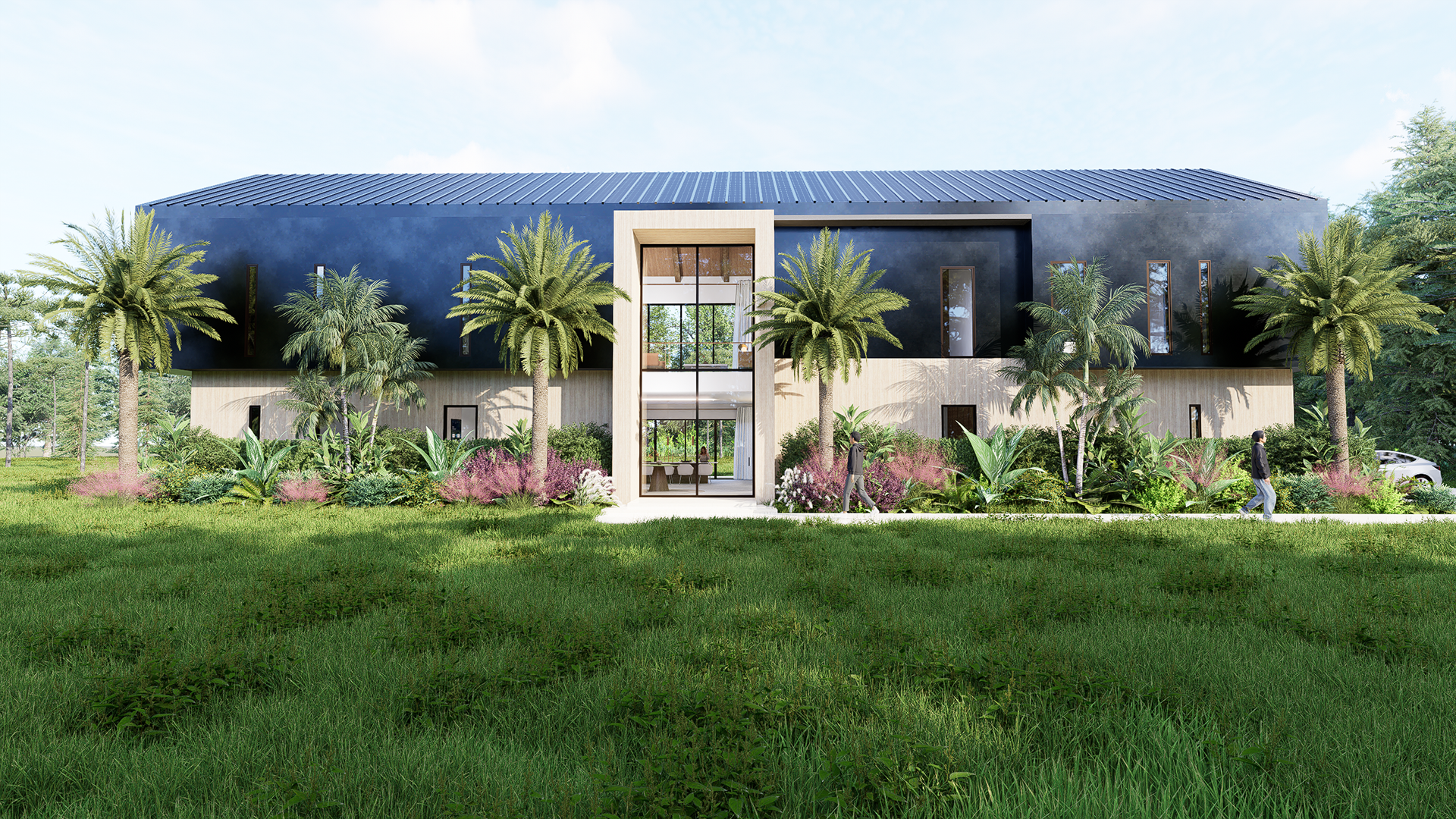
Duckweed farmstead
Location : wellington, FL
Area : 6,255 S.F.
Phase : design development
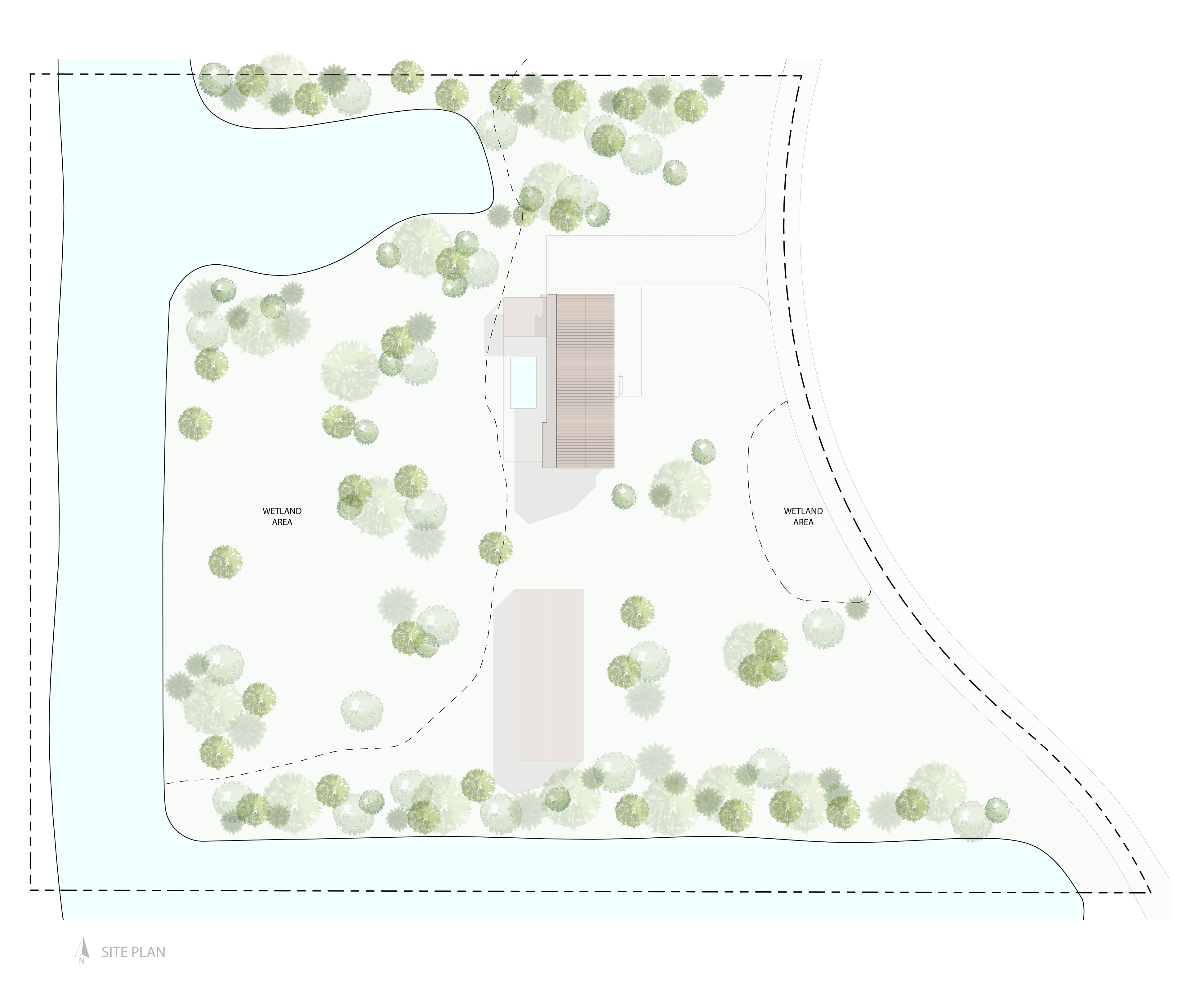
The Duckweed Farmstead is a two-story single-family residence designed to support a self-sustaining lifestyle while responding carefully to the natural features of the site. The property encompasses approximately 5.5 acres, measuring roughly 475 feet in width with a varying depth ranging from 435 feet to 605 feet. The site is bordered by a large canal along the west and south edges, creating a strong natural boundary and offering long views across the water and surrounding landscape. In addition, two wetland areas are present on the property, limiting the developable footprint and guiding the placement of new structures.
With these environmental constraints in mind, the primary residence is located toward the northern portion of the site, closer to the winding access road. This placement preserves the wetlands, maximizes open space, and allows the building to overlook the expansive southern portion of the property. The proposed stables and related equestrian facilities are located farther south, creating a functional separation between residential and agricultural uses while maintaining visual connectivity across the landscape.
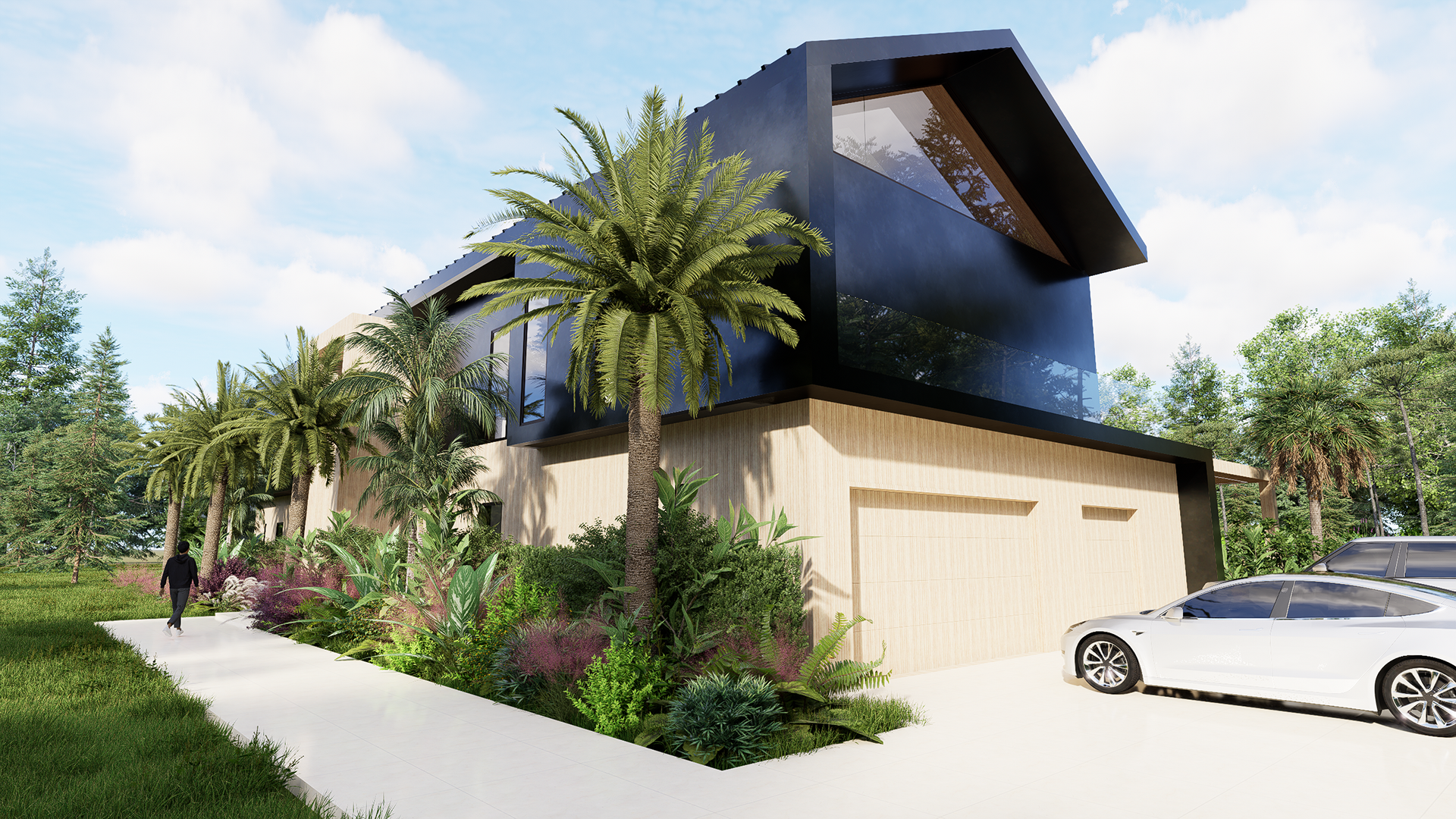
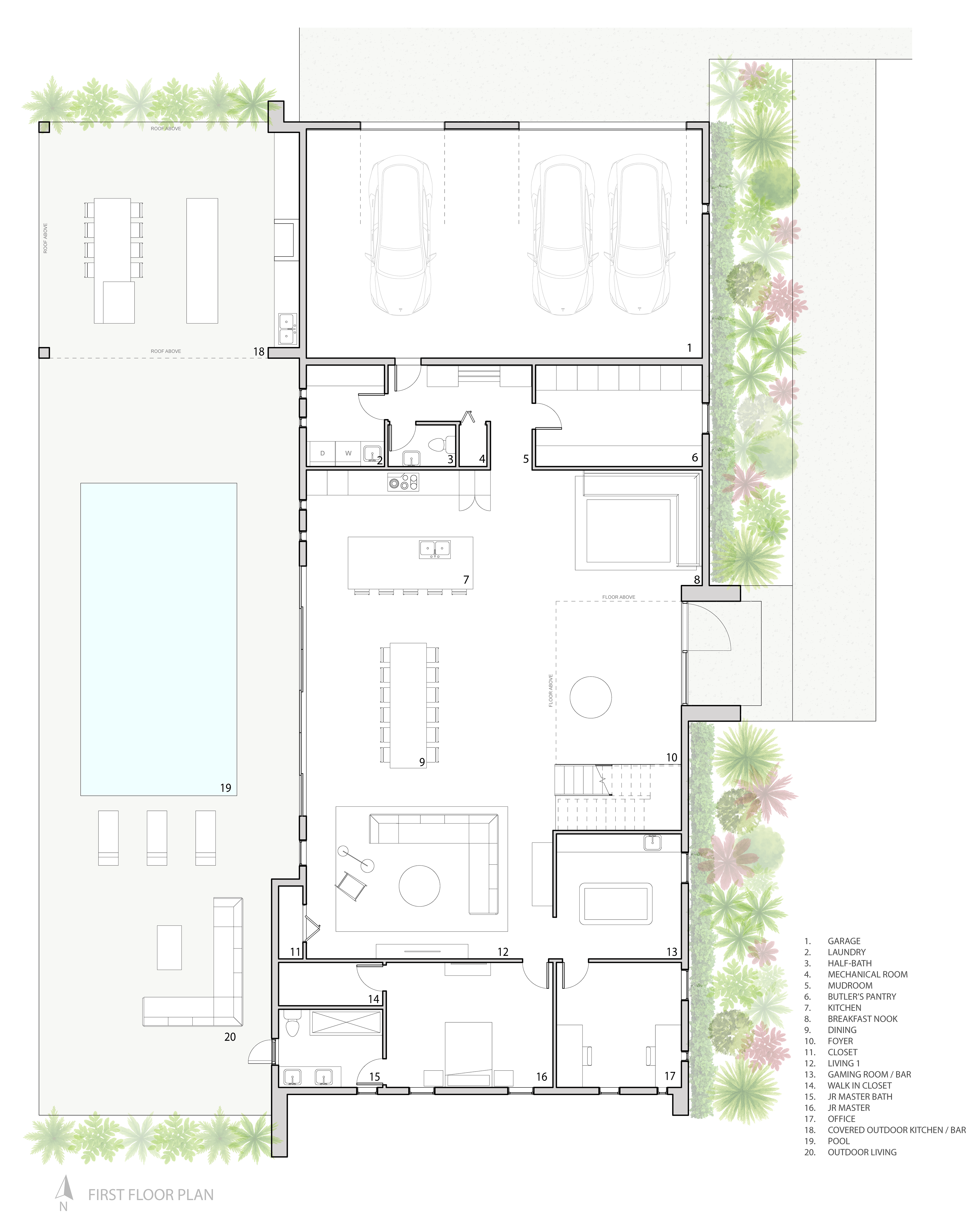
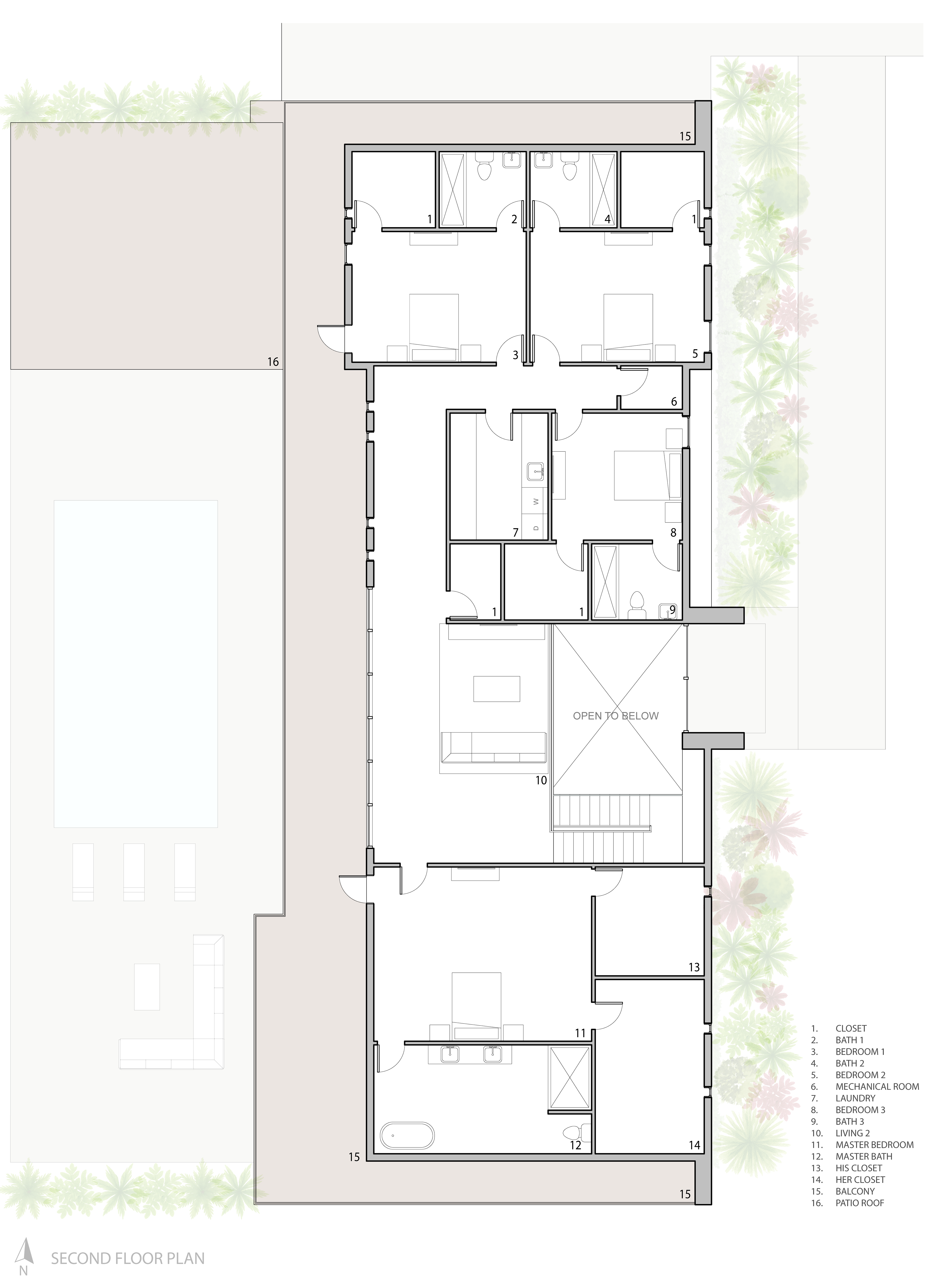
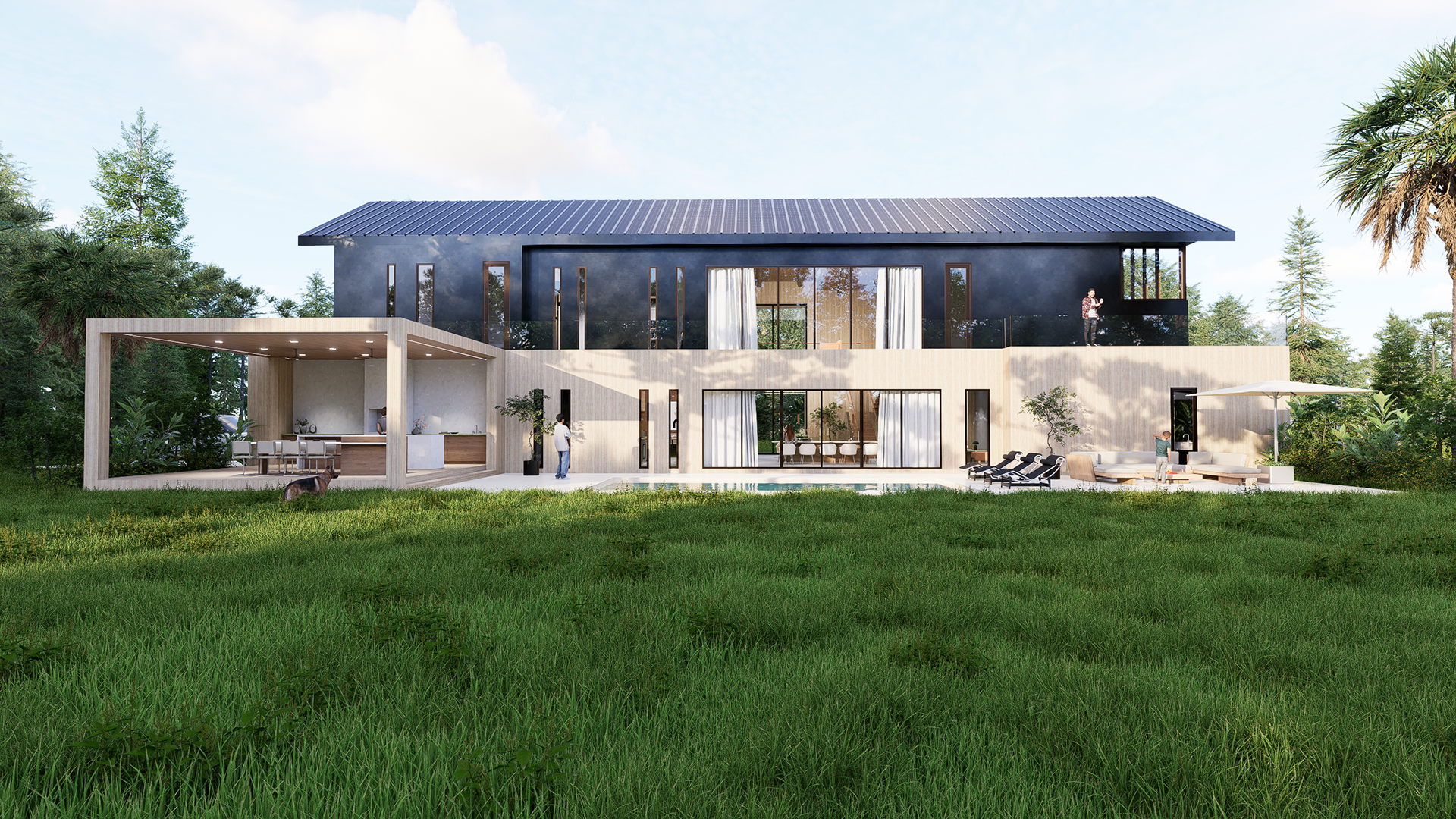
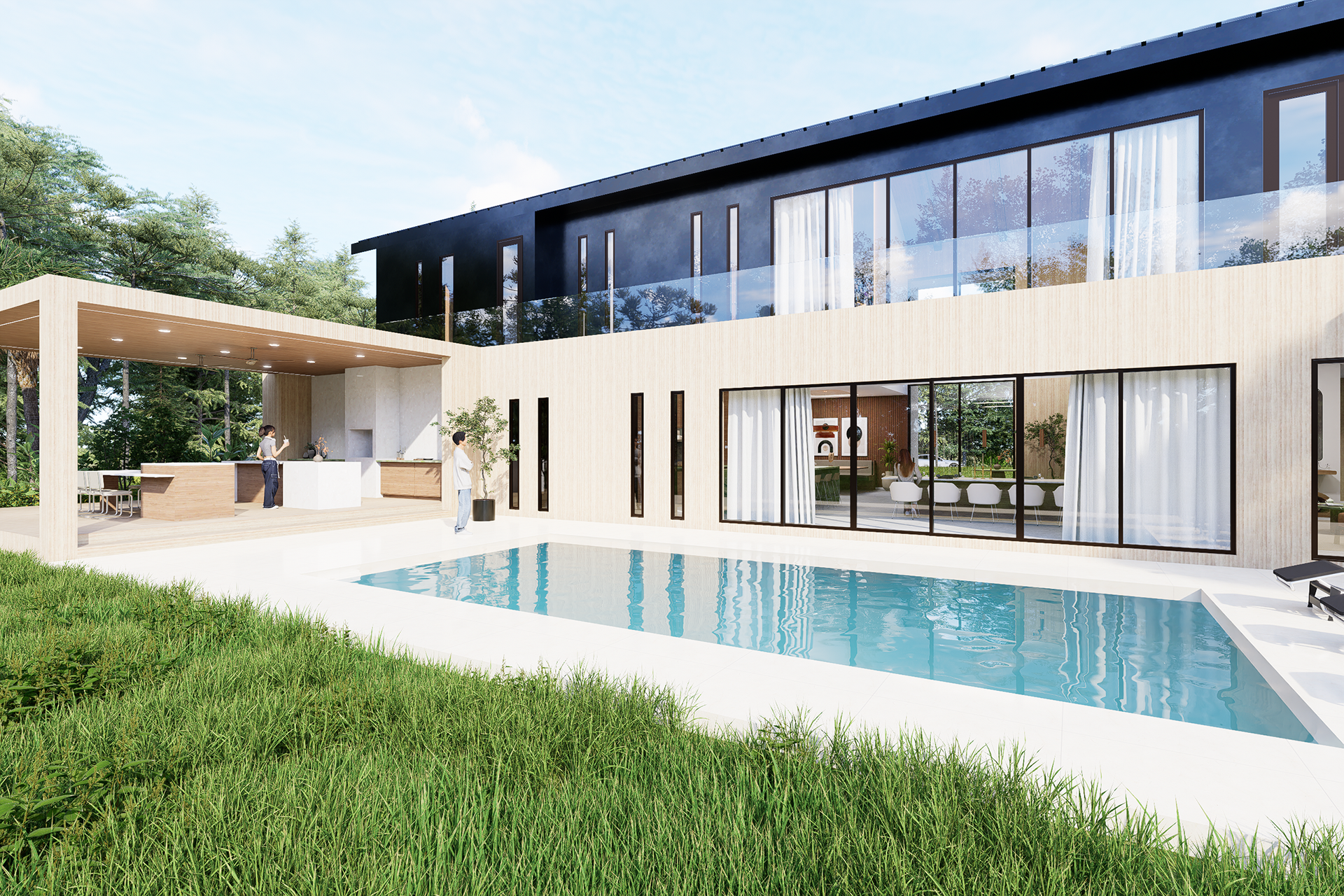
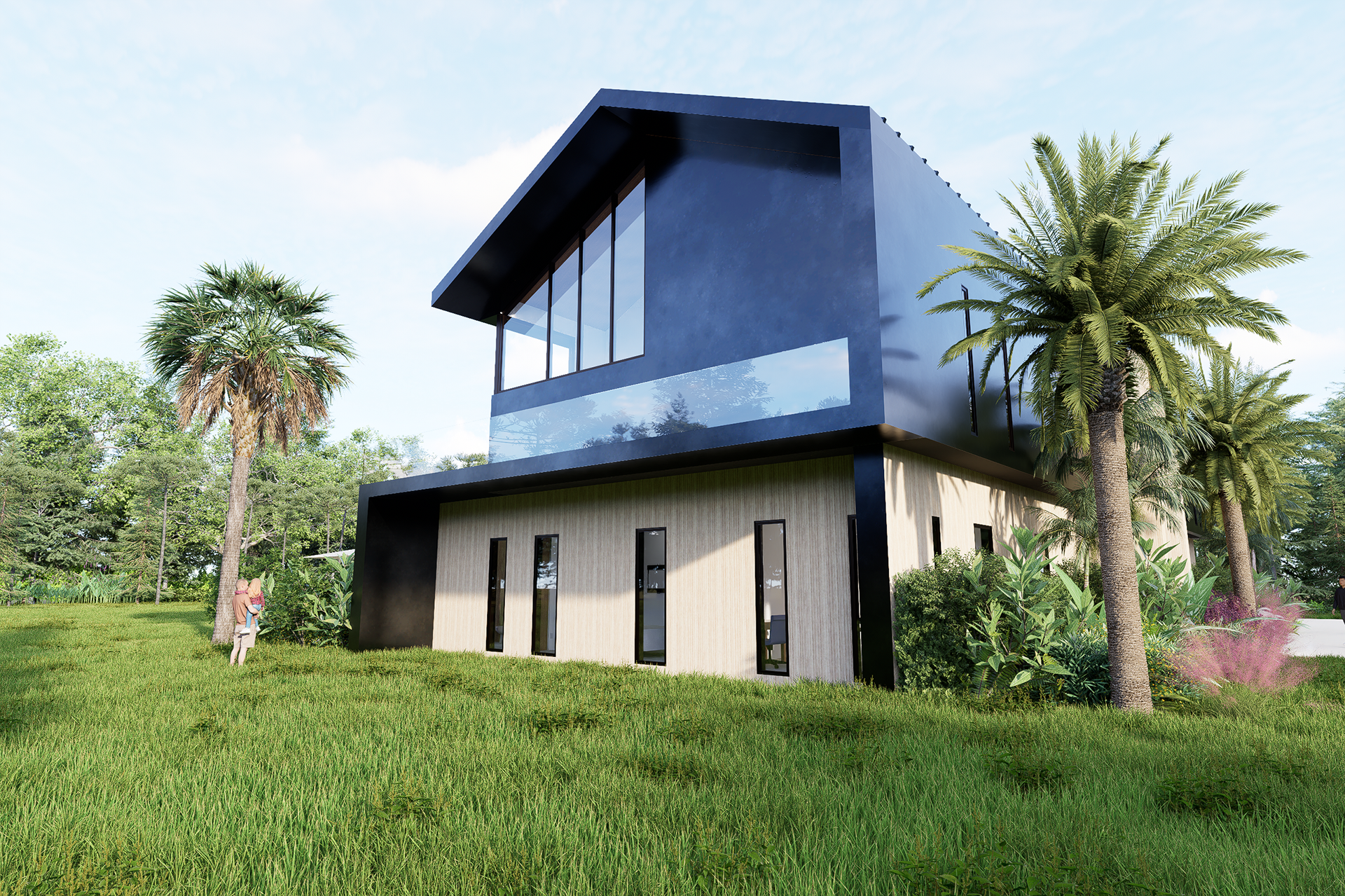
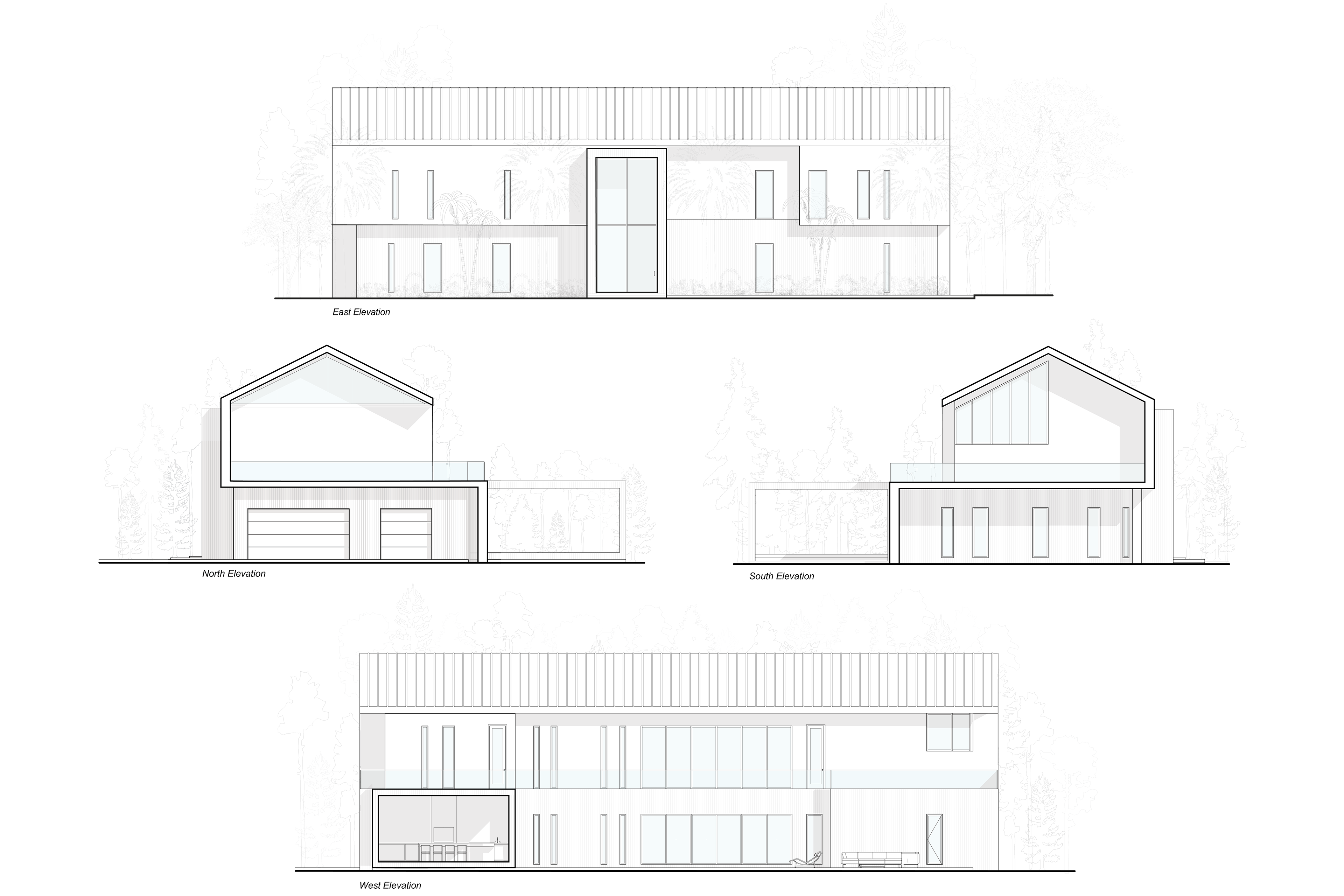
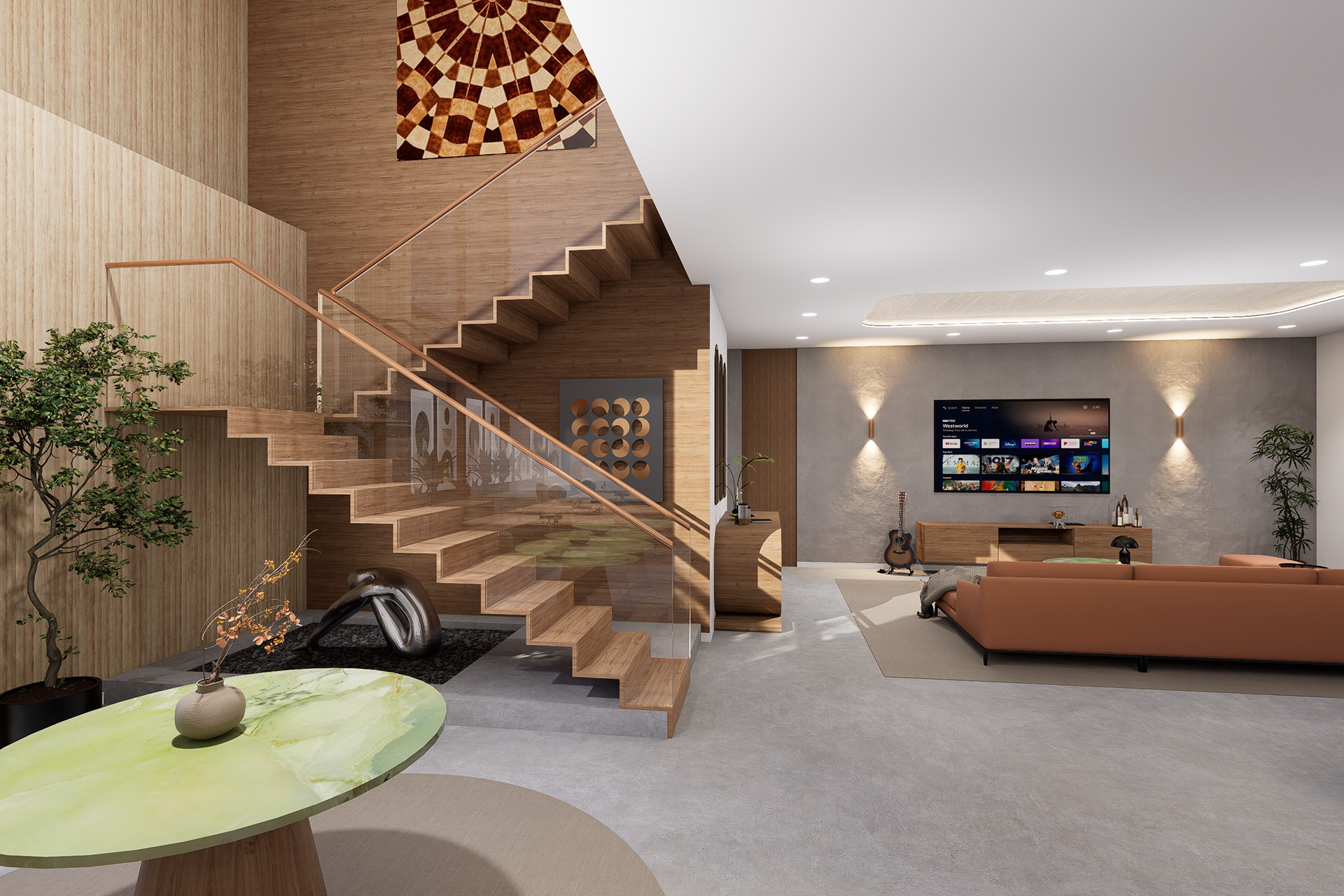
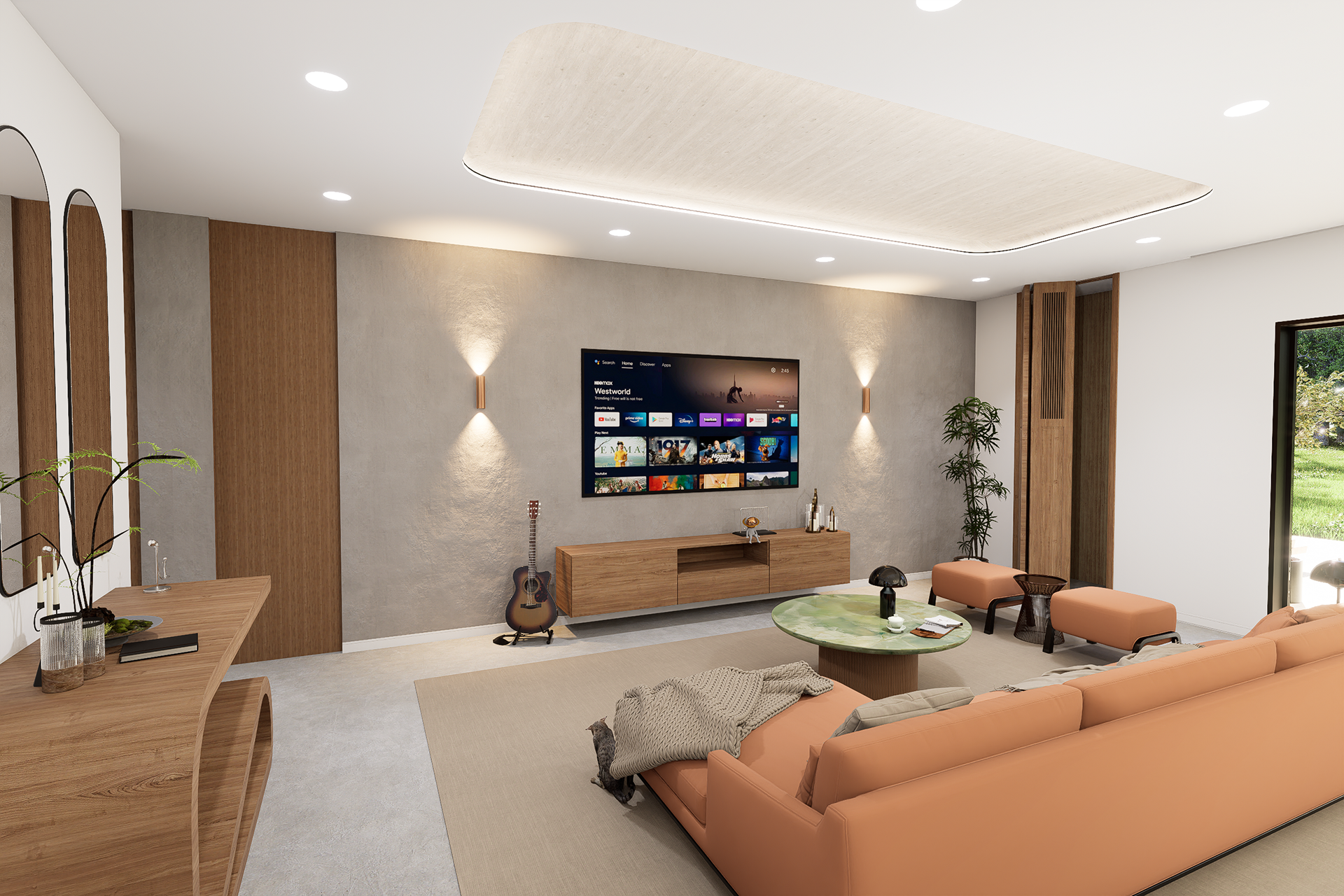
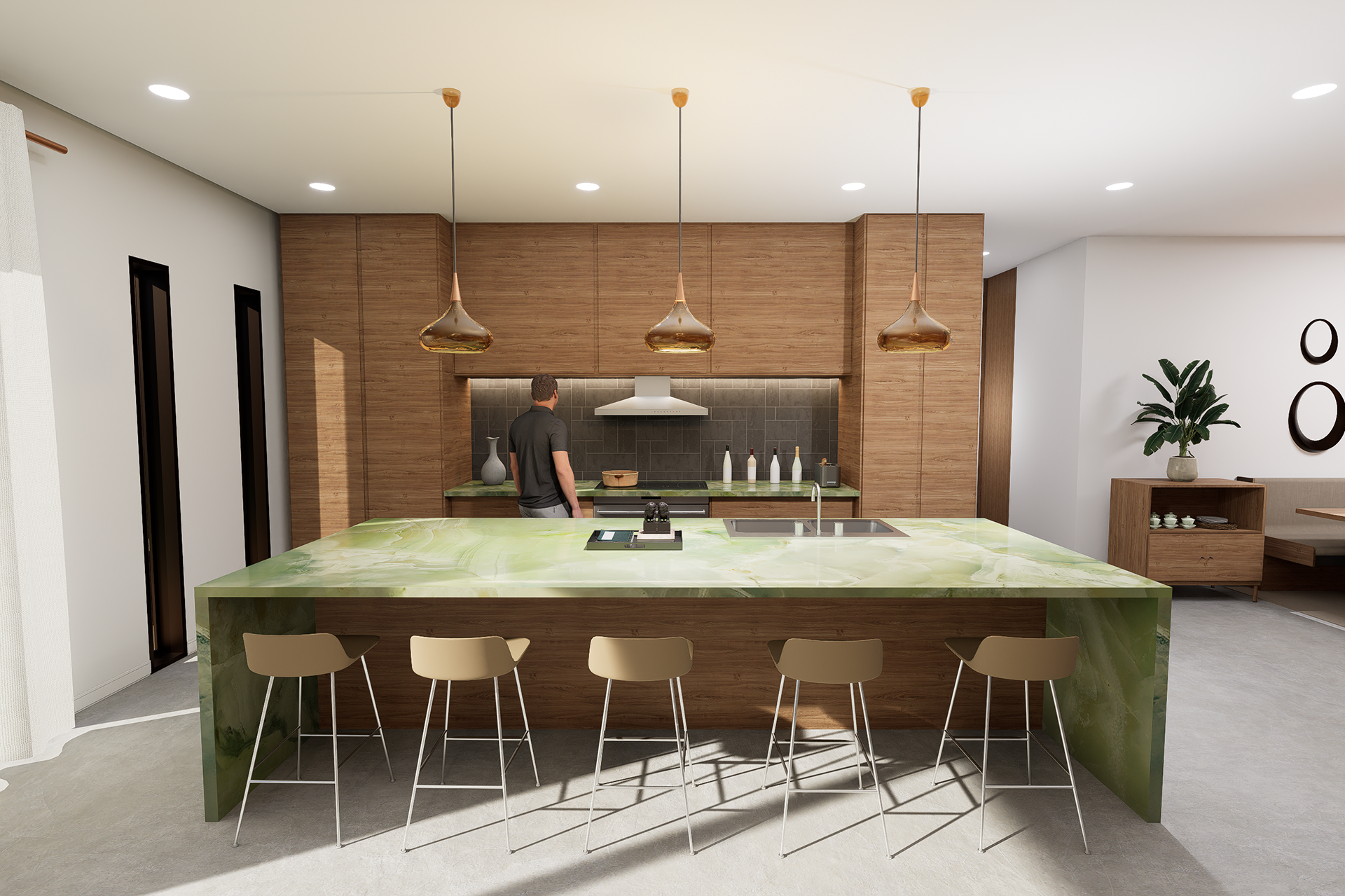
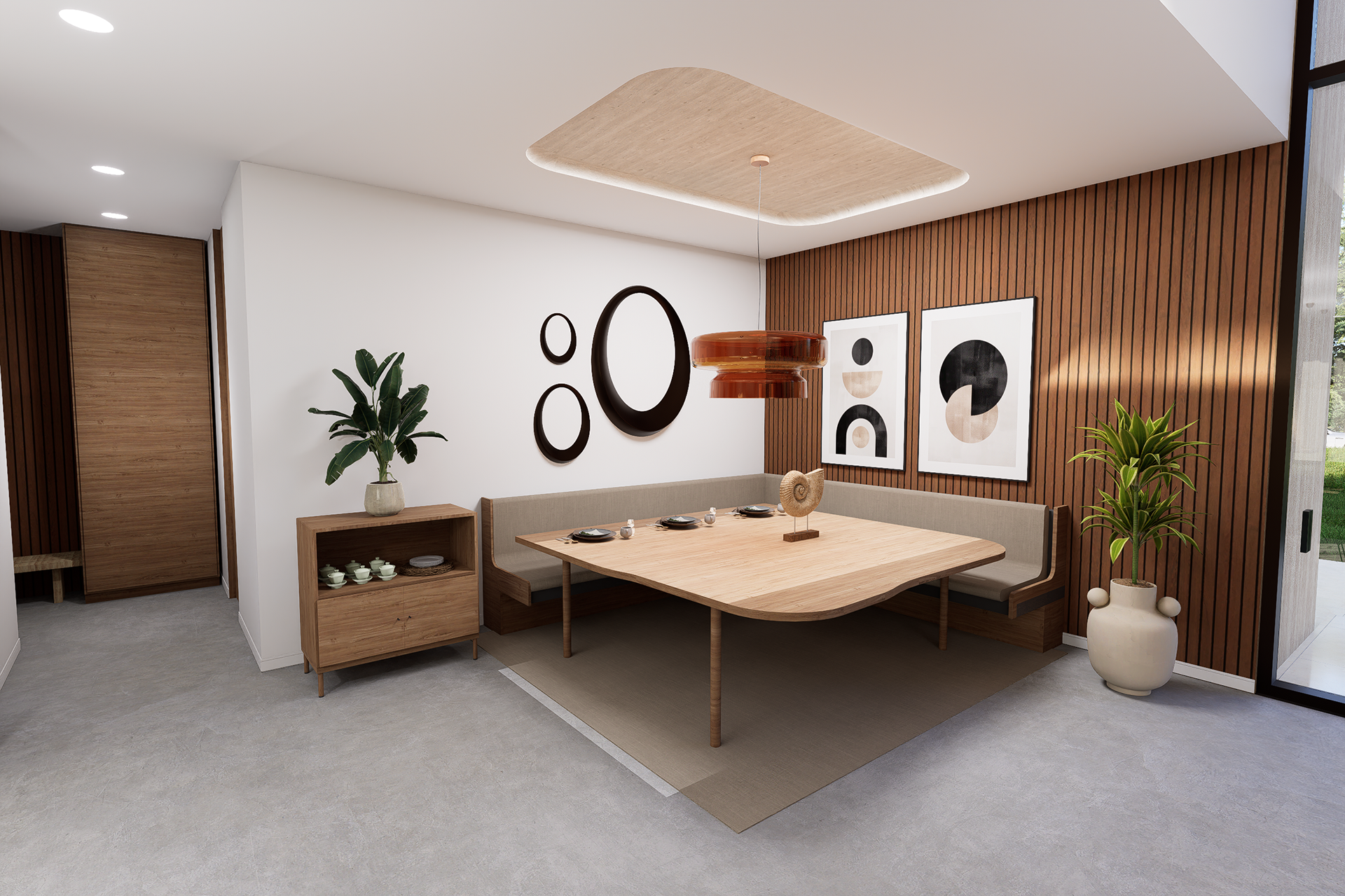
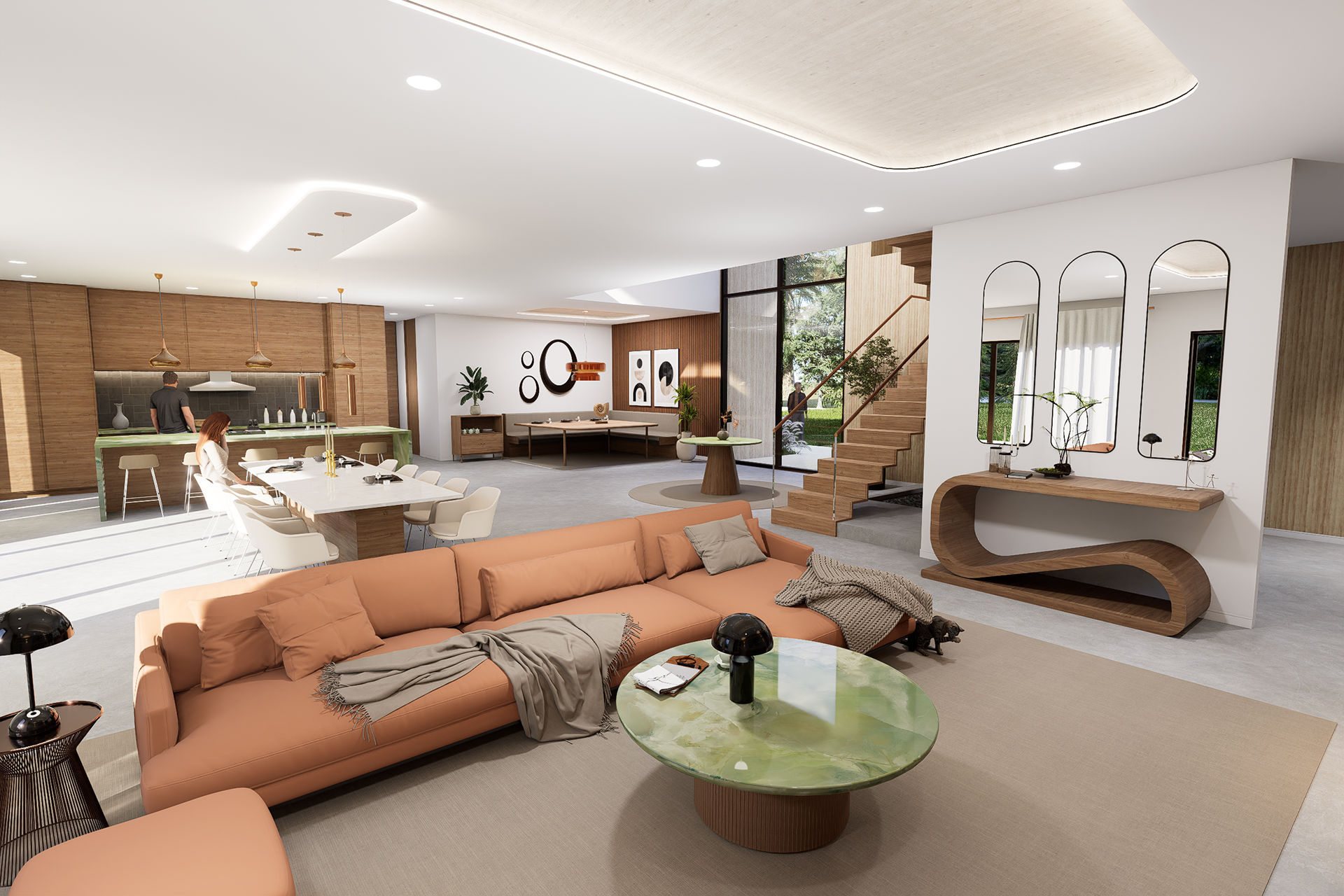
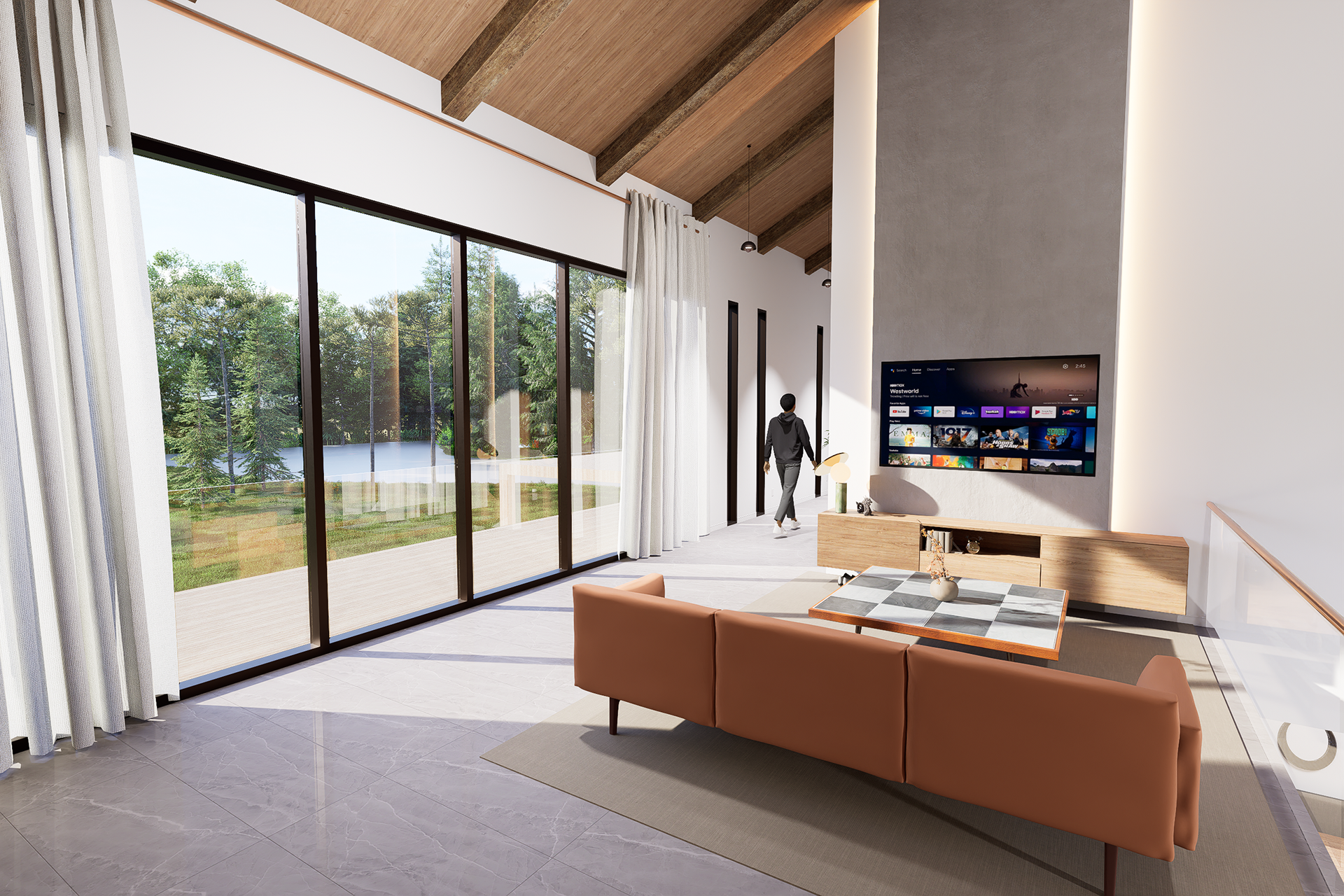
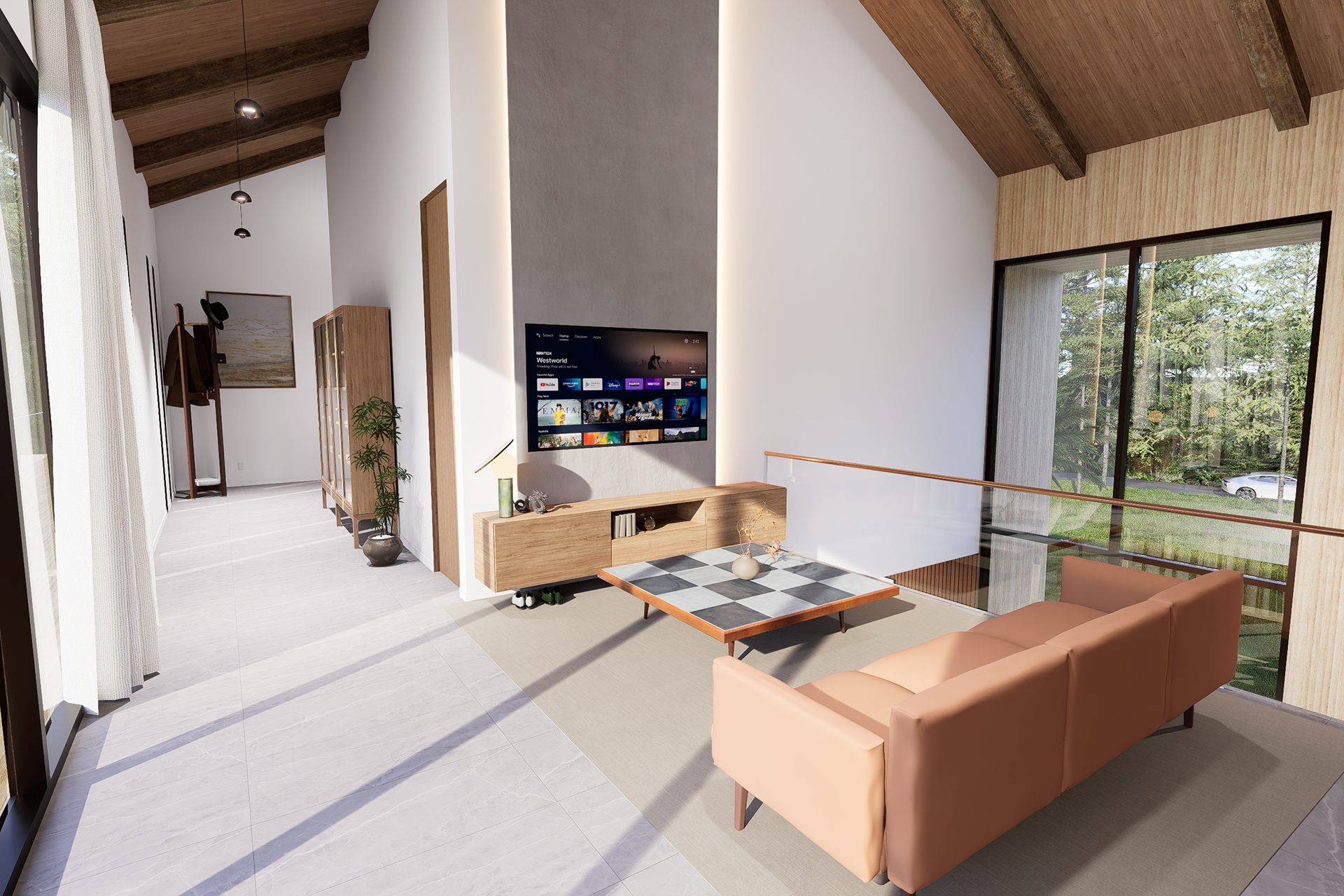
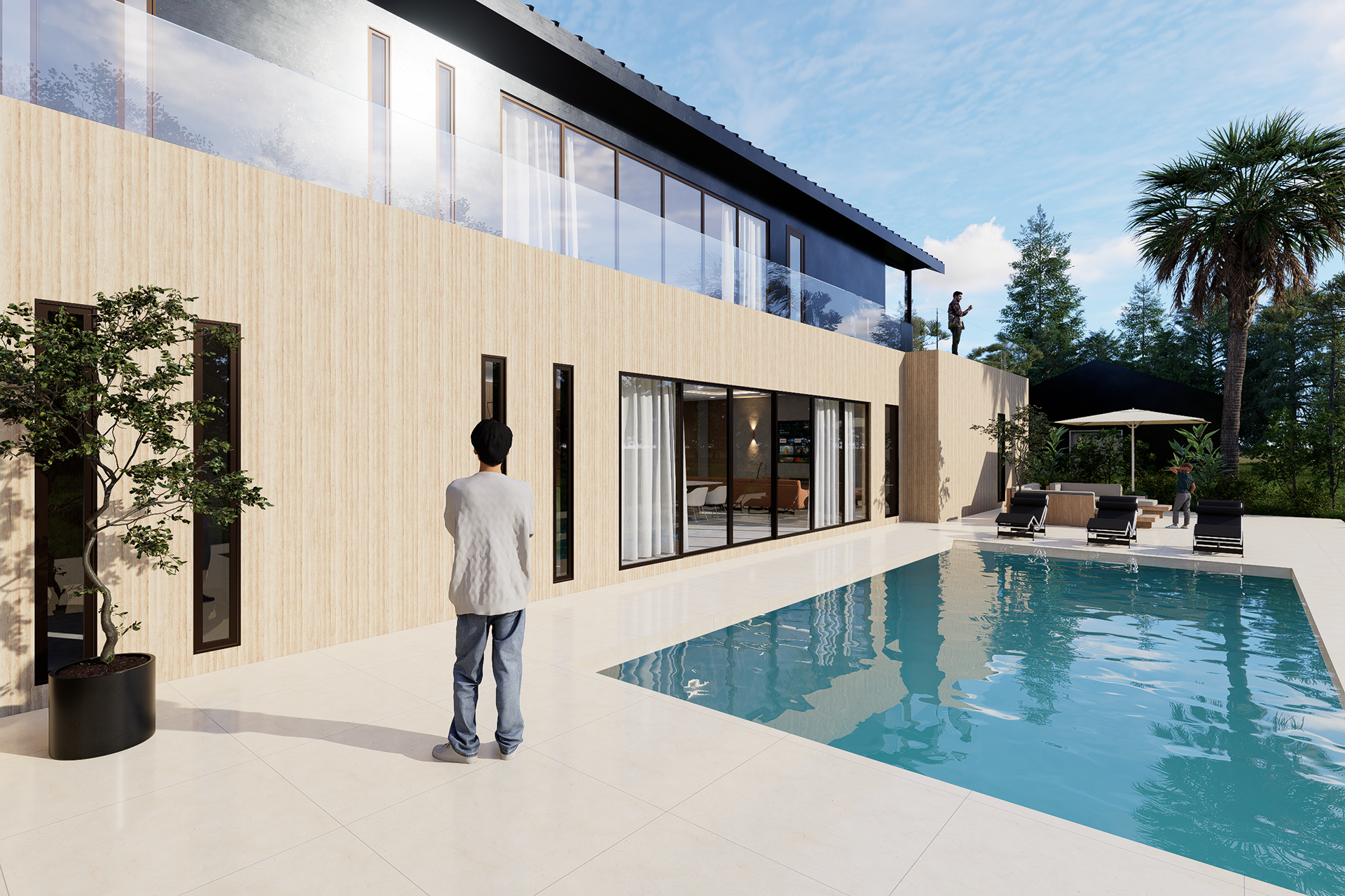
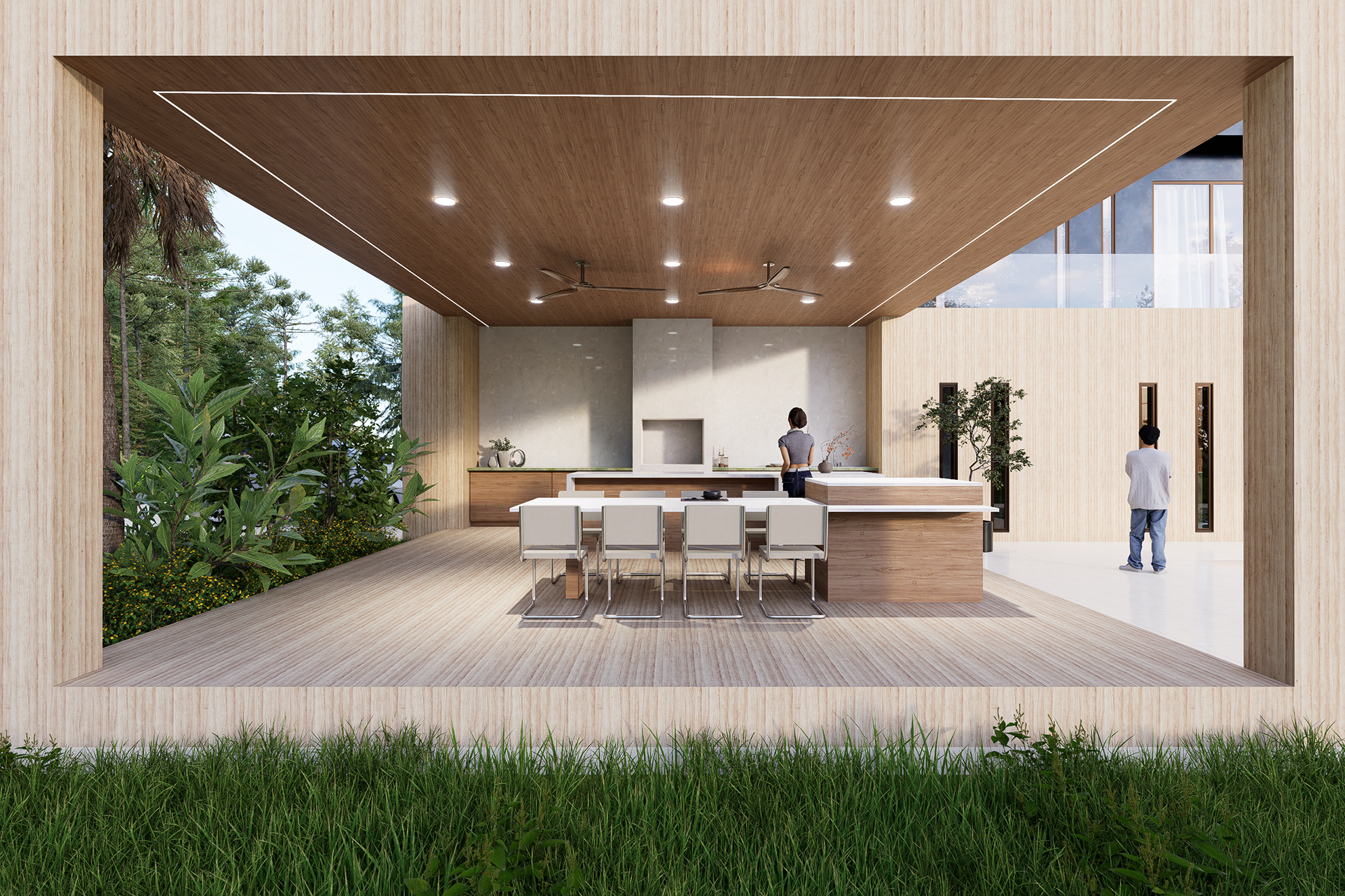
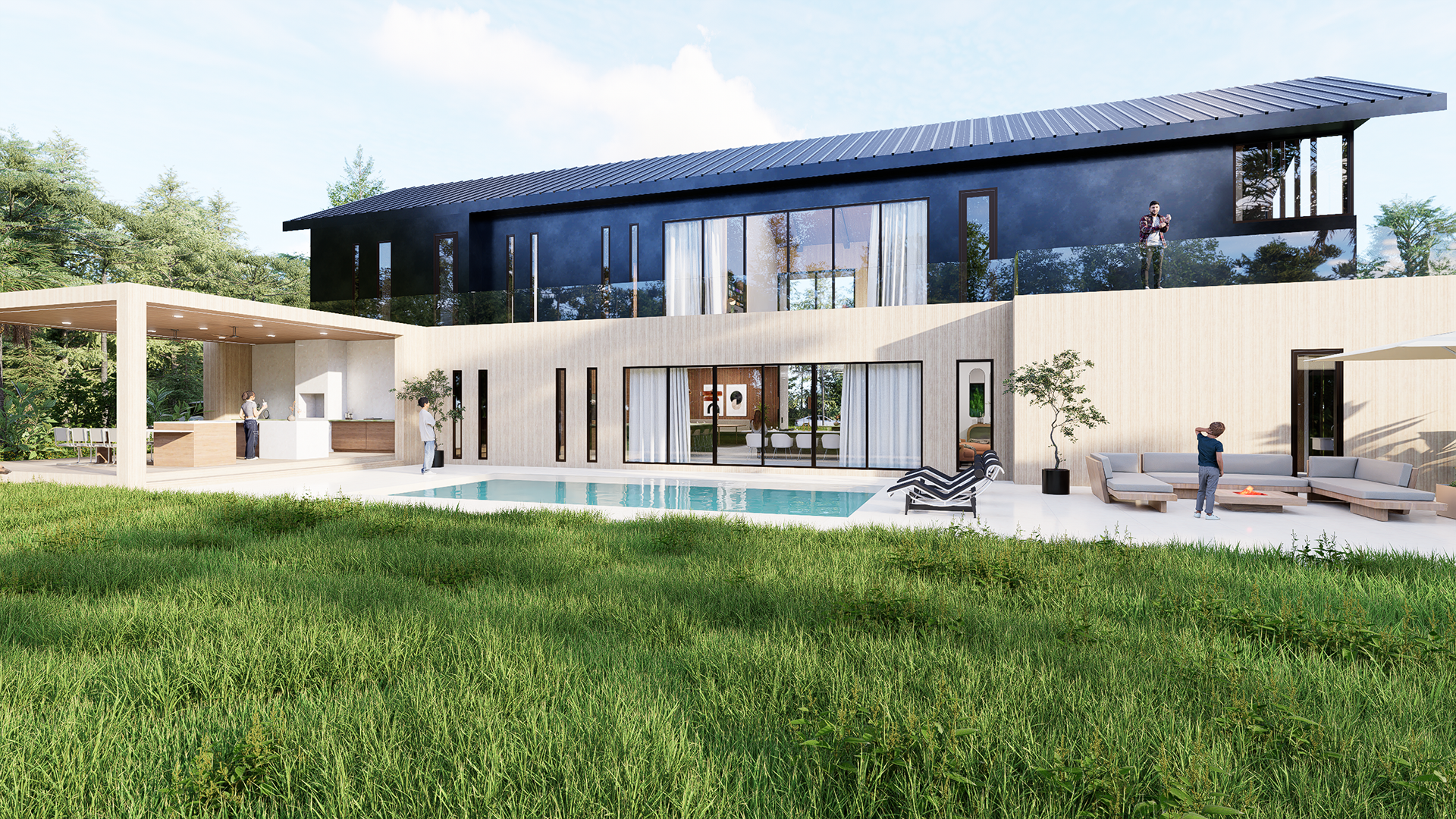
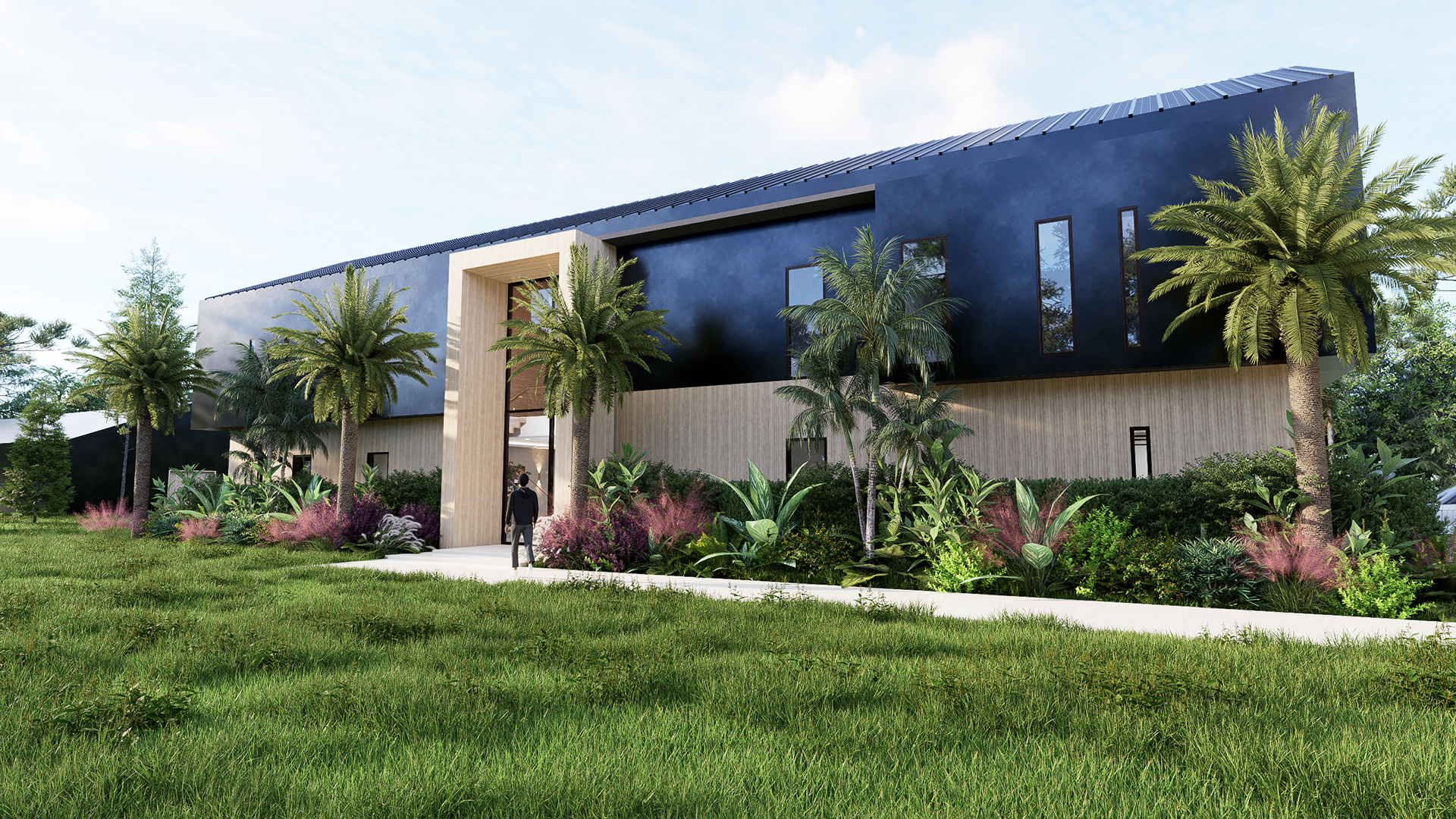
Architecturally, the residence emphasizes a contemporary yet natural expression. The design features a clean horizontal roofline, large expanses of glazing, and a palette of natural materials that blend with the surrounding environment. The ground floor opens to outdoor living spaces and a pool terrace, encouraging an indoor–outdoor lifestyle that takes advantage of the climate and views. Above, the second floor provides private living areas with expansive windows that capture light and frame the landscape.
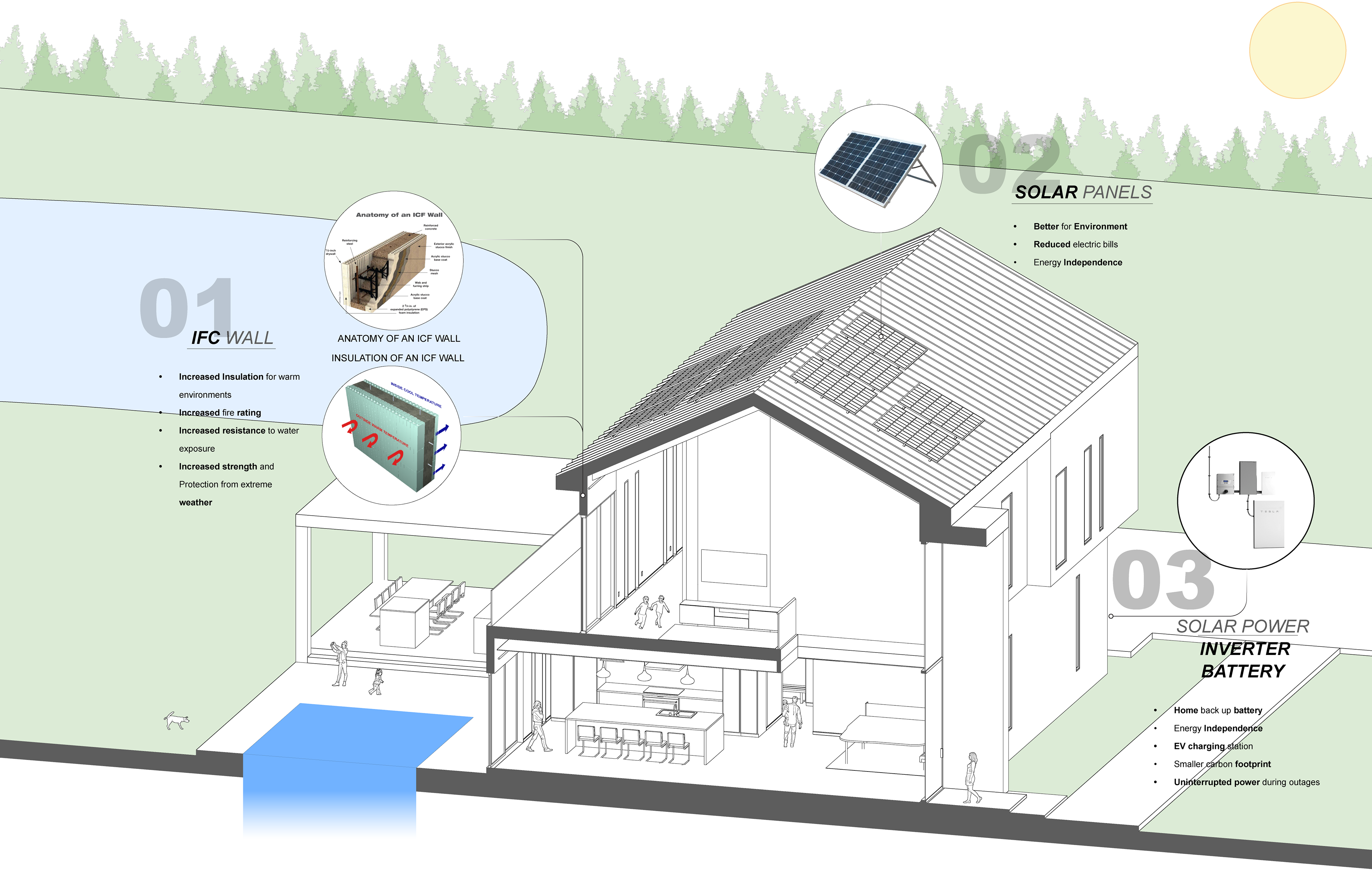
Sustainability is a key principle of the project. The roof form is designed to accommodate a solar panel array capable of generating a significant portion of the home’s energy needs. Combined with energy-efficient building systems, natural daylighting, and cross-ventilation strategies, the residence aims to reduce long-term energy consumption. The large property also supports a self-sustaining approach through space for gardens, small-scale agriculture, and equestrian activities centered around the stables. Together, the architecture and site planning create a residence that balances modern living with environmental responsibility and rural self-reliance.